In the final of the men’s 200-metre butterfly at the 2008 Beijing Olympics, something went terribly wrong. Just moments after diving into the pool, Michael Phelps realised his goggles had filled with water. By the final turn, he could no longer see the lane markers or even the wall ahead. Most athletes would have panicked.
Phelps didn’t. Instead, he counted every stroke, just as he had done hundreds of times before. Only that this time, it was not in the pool, but in his mind.
Long before he won 23 Olympic gold medals, Phelps and his coach, Bob Bowman, had developed a habit they called “watching the videotape.” Every day, Phelps mentally rehearsed every race in vivid detail. He imagined perfect starts, powerful turns, and even unexpected setbacks like equipment failure. When his goggles filled with water in Beijing, he had already “swum” that race countless times in his imagination. Even in the face of training, visualisation prepared his mind to perform when it mattered most.
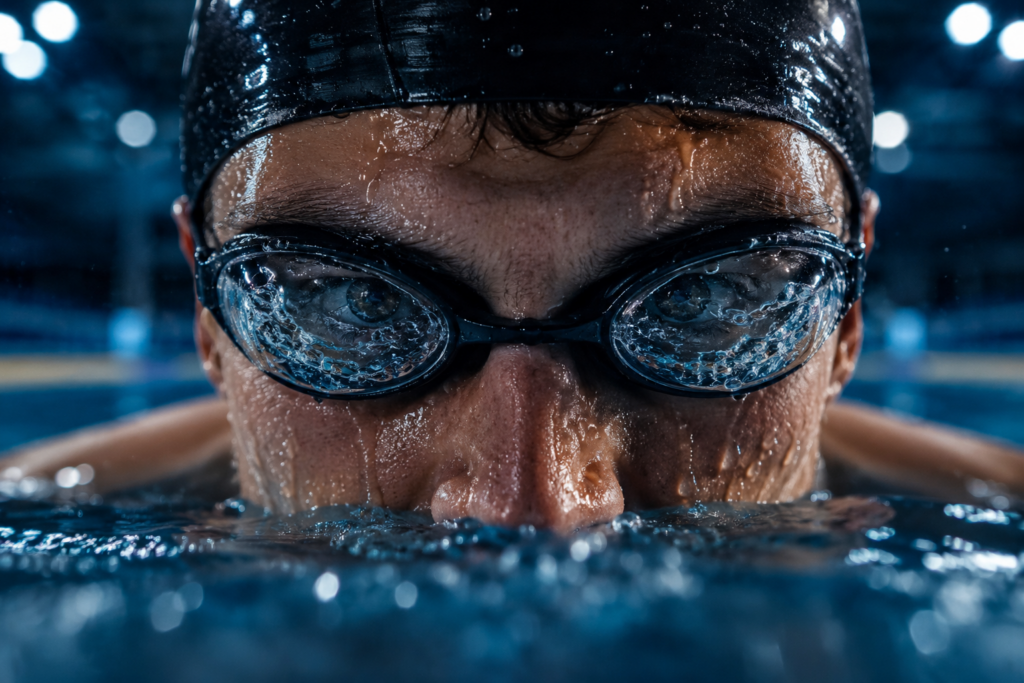
Phelps’ story reminds us of a simple but profound truth: before success happens in our lives, it often happens in our minds.
Today, neuroscience increasingly supports what elite performers have practised for decades. Studies show that vividly imagining an action activates many of the same neural networks involved in actually performing it. This process, known as mental rehearsal, helps strengthen neural pathways associated with focus, confidence, and skilled performance. When combined with deliberate practice, visualisation can improve preparedness and execution under pressure.
Yet visualisation is only one part of the equation.
Imagine trying to see your reflection in a lake during a storm. The water is constantly moving, making it impossible to see clearly. Our minds often look the same. Endless notifications, deadlines, financial pressures, family responsibilities, and uncertainty create mental turbulence. In that state, it becomes difficult to make thoughtful decisions or stay focused on what truly matters.
Meditation helps calm that storm.
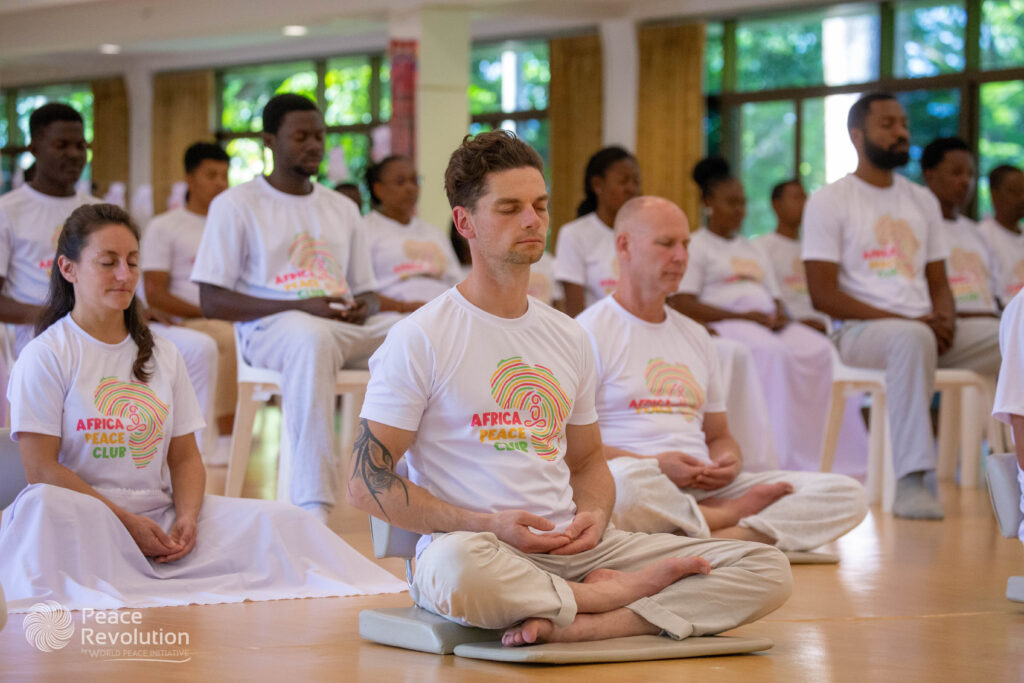
Mindfulness is the practice of becoming fully present with our thoughts without being controlled by them. Research has shown that regular mindfulness practice can reduce stress and anxiety, strengthen attention, improve emotional regulation, and support better decision-making. Brain imaging studies have also found changes in regions associated with learning, memory, and self-control among people who practise meditation consistently.
This is why mindfulness and visualisation work so well together. Meditation clears the mind. Visualisation directs the mind. Action transforms the vision into reality.
Many people think success comes from setting ambitious goals. But goals alone could be likened to destinations. What determines whether we arrive is the quality of the steps we take every day.
The BetterME Model teaches that Goal Achieving Steps begin with passion: loving what you do enough to remain diligent. Focus follows, helping you devote your attention to what matters most. Reflection allows you to learn, improve, and avoid repeating mistakes. These intentional daily practices over time transform aspirations into achievements. Meditation and visualisation strengthen every one of those steps.
The good thing here is that this visualisation approach is not just for Olympic Champions like Michael Phelps. Whether you are a student preparing for examinations in Lagos, an entrepreneur building a business in Lisbon, a healthcare professional in Lilongwe, or a young leader creating change in Lucknow, your greatest advantage is not just what you know, but it is more about how clearly you think.
Tomorrow morning, before reaching for your phone, try something different. Spend five quiet minutes focusing on your breathing.
Success is rarely built in one extraordinary moment. It is built through thousands of intentional Goal Achieving Steps, guided by a clear mind and sustained by purposeful action. This is precisely what the 42-Day Self-Development Programme will help you build.
Just as Michael Phelps won the race long before he entered the pool, we all have the opportunity to prepare our minds before life asks us to perform.
The journey to success begins long before the first step.
It begins with the mind.