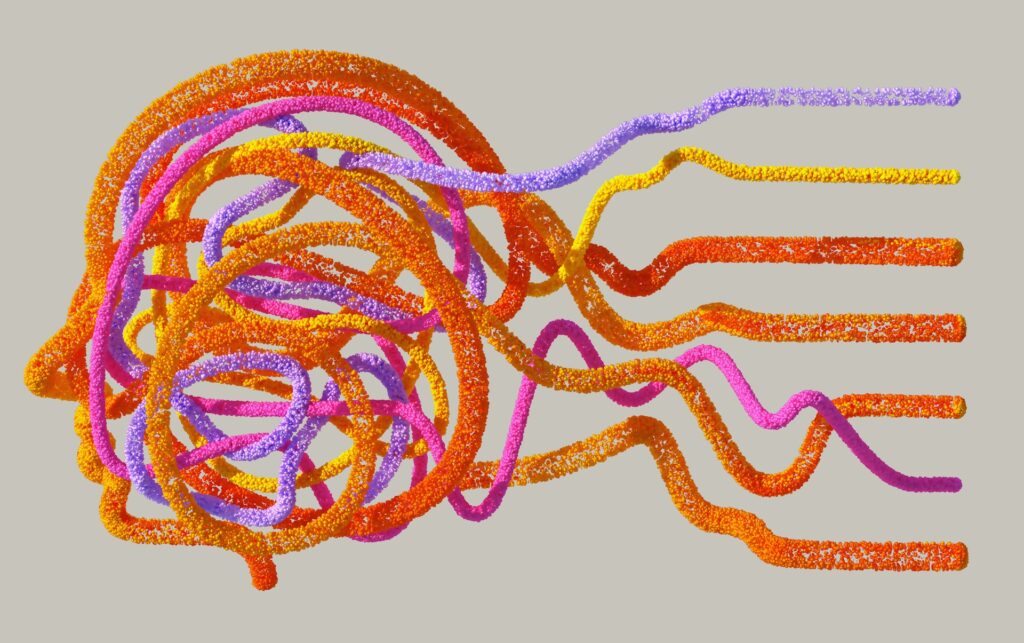

Your nervous system is the body’s information highway, controlling how you think, move and feel. It also handles your stress responses and reactivity to the environment. When something disrupts it, the effects can ripple through your entire body and mind. Understanding common nervous system disorders gives you a clearer sense of what’s happening and how to support your health in a grounded, proactive way.
Understanding Your Internal Communication Circuit
Your nerves form a network that is part of your body’s command center, and it has two parts:
- The central nervous system (CNS) has two components — the spinal cord and brain.
- The peripheral nervous system is made of a network of nerve fibers that connect the rest of your body to the CNS.
These two frameworks control movement, emotions, breathing, digestion and more. When something goes wrong, you may notice changes in sensation, coordination, mood or cognition. These nervous system issues can develop suddenly or progress over time. In some cases, disruptions are severe enough to be considered diseases or disorders, affecting your quality of life and having a ripple effect throughout your body.
1. Stroke
A stroke results from an unexpected interruption of blood flow to sections of the brain, either from a clot or bleeding. Neural cells begin to die within minutes. It’s such a common nervous system disease that an ischemic event happens every 40 seconds in America, and a quarter of the world’s adults may suffer an episode in their life.
| Who’s at Risk | Preventive Care |
| Older adults, those with high blood pressure, diabetes, smoking habits or heart disease. | Maintain healthy blood pressure, stay active, limit alcohol and manage chronic conditions. |
2. Alzheimer’s Disease
Alzheimer’s disease is a progressive condition, affecting memory, thinking and behavior. It develops due to abnormal tau protein buildup in the brain, which can cause healthy neurons to die.
| Who’s at Risk | Preventive Care |
| Mostly older adults, especially those with a family history of the disease. | Support brain health through mental stimulation, social connection and balanced nutrition. |
3. Parkinson’s Disease
This movement disorder happens when there’s a gradual and increasing loss of dopamine-producing nerve cells, which results in an unhealthy chemical breakdown that affects the body negatively through toxin production.
| Who’s at Risk | Preventive Care |
| Typically affects people over 60, though men have a higher risk of development. | Regular exercise, reduced toxin exposure and early symptom awareness can help management and prevention. |
4. Multiple Sclerosis (MS)
MS is an autoimmune disorder in which the immune system targets the protective myelin coating of nerve cells, essentially stripping the nerves of their “insulation,” leading to misfiring signals and severe pain.
| Who’s at Risk | Preventive Care |
| Young adults, especially women, and those with genetic and environmental factors. | While stress doesn’t cause MS, it can worsen symptoms and create an immune-compromised situation that may precipitate its development. Managing worries and depression can help living with this disease. |
5. Peripheral Neuropathy
If you’ve been experiencing continuous tingling in your hands and feet, you may want to ask your doctor about peripheral neuropathy. This disease affects the nerves running to the extremities and may also cause numbness and pain.
| Who’s at Risk | Preventive Care |
| Those with diabetes, infections or vitamin deficiencies. | Control your blood sugar, maintain proper nutrition and avoid prolonged exposure to toxins. |
6. Guillain-Barré syndrome
Guillain-Barré syndrome is a rare autoimmune disorder where the immune system targets nerves, causing weakness and sometimes paralysis. It happens when your body’s protective immunity targets the peripheral nerves.
| Who’s at Risk | Preventive Care |
| It often follows infections and mostly affects adults. | While prevention isn’t always possible, early treatment improves recovery and management. |
7. Amyotrophic Lateral Sclerosis (ALS)
ALS is a progressive disease that destroys motor neurons, causing muscle weakness and loss of movement.
| Who’s at Risk | Preventive Care |
| The actual cause beyond genetics remains unknown, so it can affect anyone, but typically adults between the ages of 40 and 70. | It’s best to maintain good overall health to support you in case there are genetic markers in your family. |
8. Meningitis
Meningitis is one of the easier neurological diseases to treat, as it’s curable and vaccines can protect against outbreaks. It involves inflammation of the membranes surrounding the brain capsule and spinal cord, usually due to a viral or bacterial infection.
| Who’s at Risk | Preventive Care |
| Infants, young adults and anyone with a weakened immunity. | Vaccination, hygiene and early treatment of infections can help. |
9. Locked-in Syndrome (LiS)
LiS is caused by lesions in the pons of the brainstem that cause quadriplegia, and the person with the disease can only move their eyes to communicate.
| Who’s at Risk | Preventive Care |
| Anyone can develop these lesions, though genetics may also play a role. | Protect your head from damage and follow a healthy lifestyle that promotes good blood circulation. |
Using Mindfulness for Neurological Health
Your mental and emotional state directly affects your electro-chemical pathways. Chronic tension increases cortisol levels, which can contribute to immune dysregulation, inflammation and worsen many nervous system disorders.
Mindfulness practices help regulate this response. When you slow down your breathing or become aware of your thoughts, your body shifts out of a heightened stress state, becoming more supportive of neurological conditions. Structural therapies also play a role. Therapies and methodologies include cognitive-behavioral therapy and dialectical behavior therapy that help you recognize thought patterns, regulate emotions and respond more calmly to challenges. A therapist would guide you through the approach to promote long-term mental wellness.
Building skills strengthens your resilience and supports emotional balance and physical health. By adding various methods to your personal development process, you can begin to take control of your life and even stave off preventable neurological disorders.
Discovering Simple Wellness Practices for Your Nerves
Small daily habits can support your information highway in meaningful ways.
Mindful Breathing
Slow, steady breathing signals safety to your body. Try inhaling for four seconds, holding the same length of time, then exhaling for a count of four and repeating for one to three minutes until you feel a sense of peace.
Gentle Movement
Walking, stretching or yoga improves circulation and supports nerve function without overwhelming it. Some movements, known as nerve gliding or nerve flossing, release compression and improve elasticity and functionality.
Balanced Nutrition
Focus on nerve-boosting foods like vegetables and lean proteins that are loaded with omega-3 fatty acids, phytonutrients and antioxidants. These support nerve repair and function.
Quality Sleep
Sleep is how your internal circuitry resets. Follow consistent sleep and wake times to support recovery and prioritize getting seven to nine hours to meet your sleep quota per night.
The Truth About Nervous System Issues
Your nerve pathways connect everything — your thoughts, movements and memory to internal rhythms. When you understand common conditions and support your body with mindful habits, you create a stronger foundation for long-term wellness. Small, consistent choices can make a noticeable difference in how your system responds and recovers.
This is a collaborative post supporting our Peace In Peace Out initiative.



Useful article, it simplifies complex medical topics without losing important details.