


In recent years, a worrying trend has emerged: more and more young people are having strokes, while some older adults show unexpected mental and physical vitality. This surprising contrast raises an important question: what’s harming young people’s brains, and what’s protecting those of older adults?
A key factor seems to be chronic stress. Invisible, but very real.
Stress: A Constant Strain on the Brain
When stress becomes part of everyday life, it silently attacks the brain. It disrupts the nervous system, increases blood pressure, reduces sleep quality, and slows down the body’s natural ability to heal. Over time, this constant pressure can lead to serious problems including strokes. For young people, stress comes from many sources: too much work, school or job pressure, always being connected online, fear of failure, and social anxiety.
Their daily routine often feels like a race – always busy, always trying to achieve more.
Older Adults: A Calmer Way of Living
Many older people, especially after retirement, are able to step away from this daily pressure. Their lives slow down, they reflect more, and they take time for quiet, meaningful activities. Most importantly, they learn to live for themselves again.
One thing seems to help a lot: reconnecting with the present moment often through simple practices like meditation.
Meditation: A Natural Way to Deal with Modern Stress
Meditation is not just a trend; it’s an ancient practice with well-proven benefits for the brain. It helps reduce cortisol (the stress hormone), improves focus, calms emotions, and balances the nervous system. Meditation clears the mind, helps organize thoughts, and creates a sense of inner peace.
Studies in neuroscience have shown that regular meditation can change the brain’s structure. It increases the amount of grey matter in areas related to memory, attention, and emotional control. It also reduces activity in parts of the brain connected to fear and anxiety.
Meditation: Simple and for Everyone
The best part? Meditation is for everyone. You don’t need any special background or religious belief. Just a few minutes a day can already make a difference.
Close your eyes, breathe deeply, watch your thoughts without judging them, and sit quietly. Even ten minutes a day can bring calm to your busy world. Over time, this small habit becomes a shield against stress and may even help prevent serious conditions like strokes.
Meditate to Protect Your Brain
In today’s fast-paced and stressful world, meditation offers a gentle but powerful way to stay mentally and physically healthy. It helps you find inner peace, while also protecting your brain from the harmful effects of chronic stress.
So, what if the best medicine wasn’t a pill but simply a few moments of quiet every day?
Ready to take a step toward more peace and better mental health?
Join our 42 days personal development program, created by the World Peace Initiative Foundation, and discover how meditation can truly change your life from the inside out.
Stress: The Silent Enemy of the Brain – How Meditation Can Help Prevent Strokes
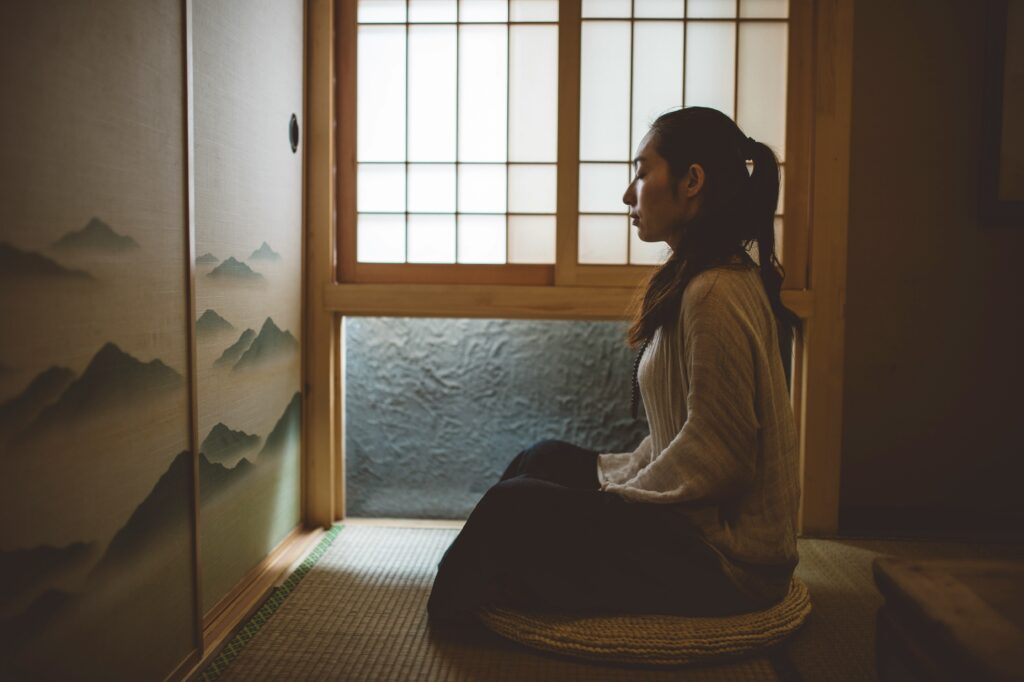
Photo by Ricko Pan on Unsplash.